
-
 English
-
 Español
-
 Português
-
 Русский
-
 Français
-
 日本語
日本語
-
 Deutsch
-
 Tiếng Việt
-
 Italiano
-
 Nederlands
-
 ไทย
ไทย
-
 Polski
-
 한국어
한국어
-
 Svenska
-
 Magyar
-
 Bahasa Melayu
-
 বাংলা
বাংলা
-
 Dansk
Dansk
-
 Suomi
Suomi
-
 हिन्दी
-
 Filipino
-
 Türkçe
-
 Gaeilge
-
 العربية
-
 Bahasa Indonesia
-
 Norsk
Norsk
-
 اردو
اردو
-
 Čeština
-
 Ελληνικά
-
 Українська
-
 Basa Jawa
-
 فارسی
فارسی
-
 தமிழ்
தமிழ்
-
 తెలుగు
-
 नेपाली
-
 မြန်မာ
-
 Български
-
 ລາວ
ລາວ
-
 Latina
-
 Қазақша
-
 Euskera
-
 Azərbaycan
-
 Slovenčina
-
 Македонски
-
 Lietuvių
-
 Eesti
Eesti
-
 Română
-
 Slovenščina

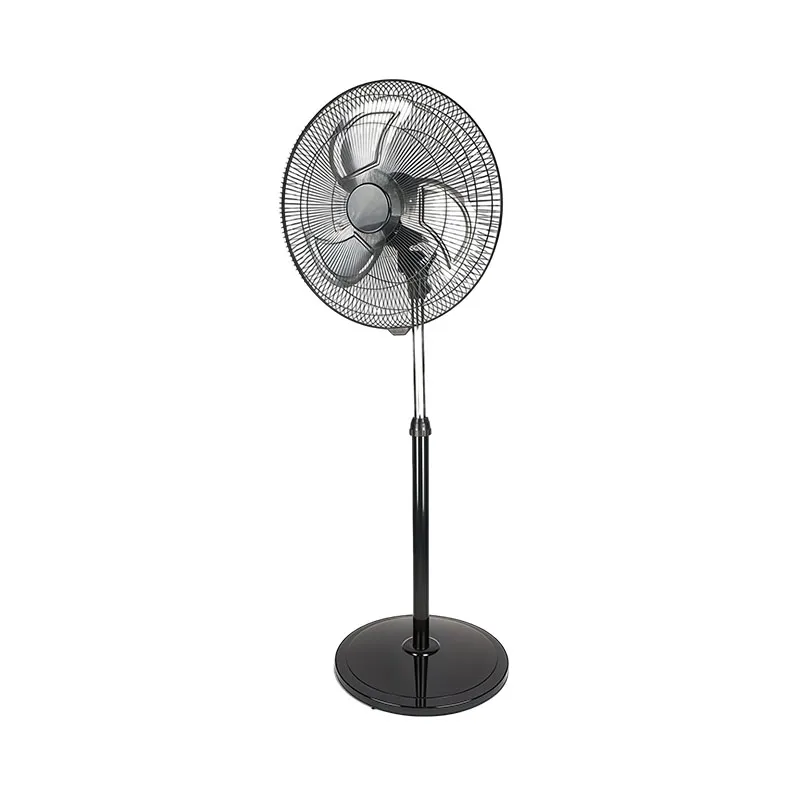
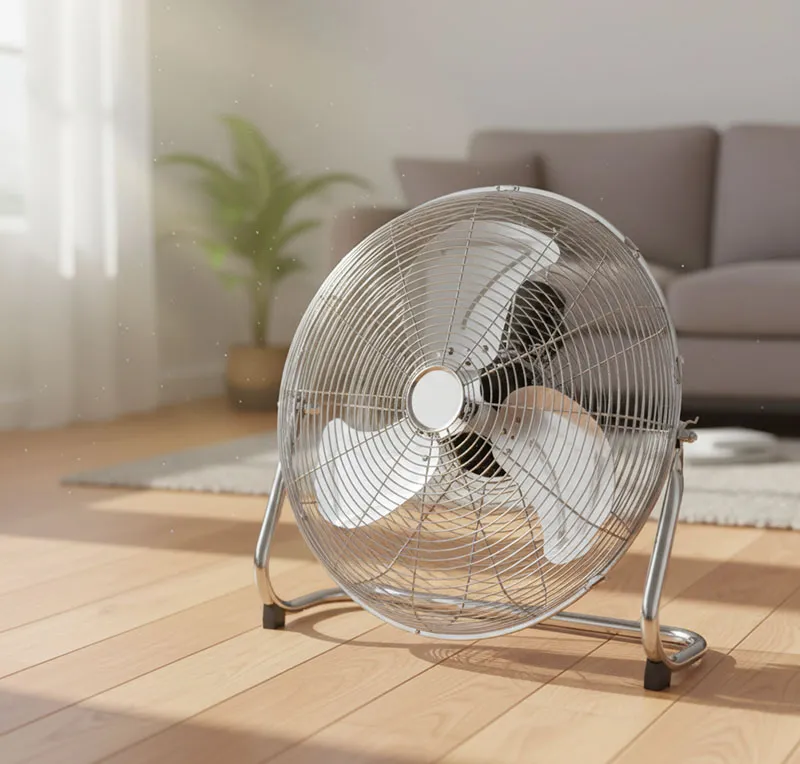
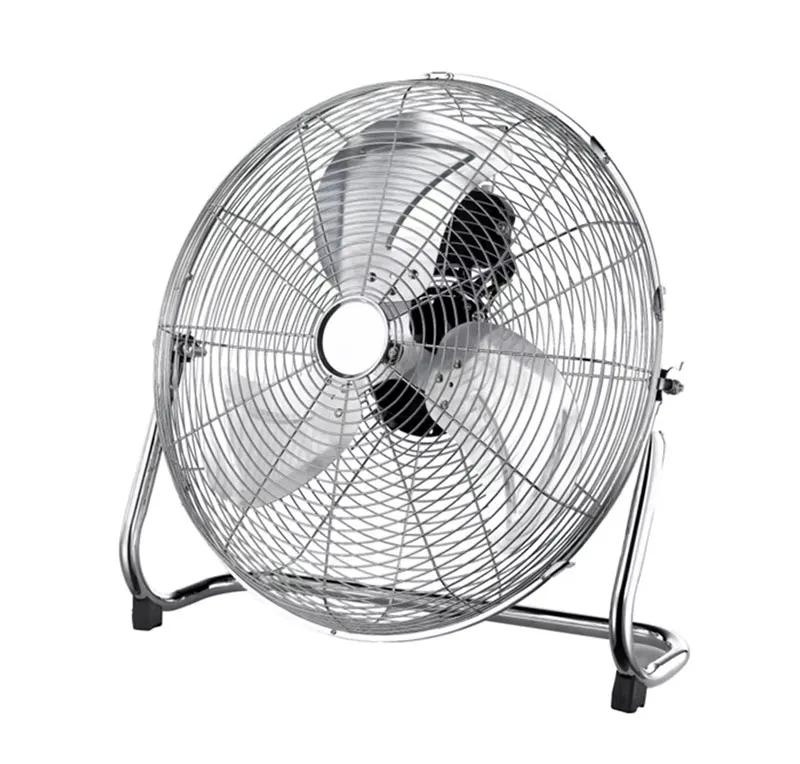
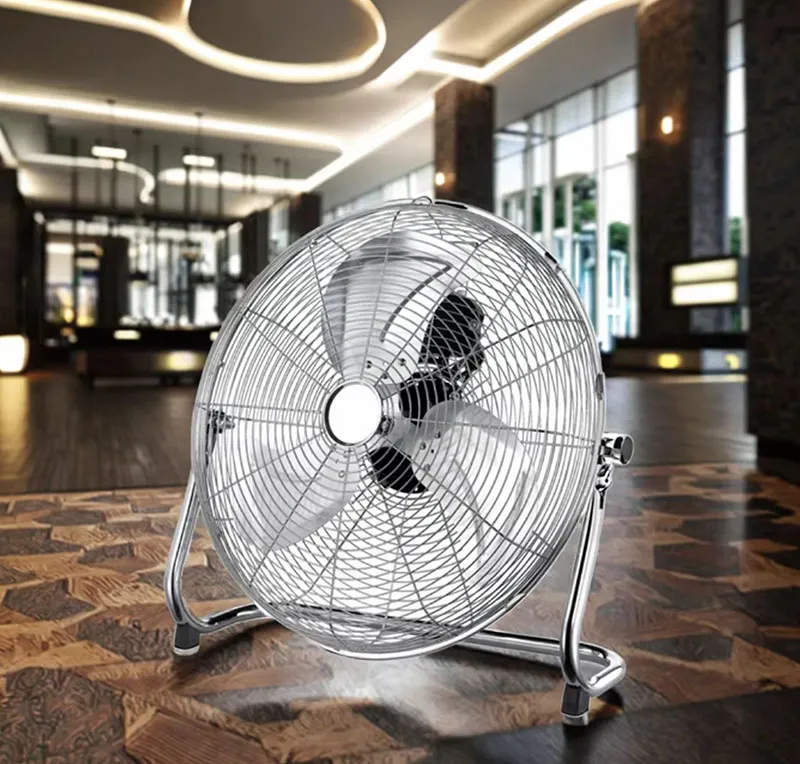
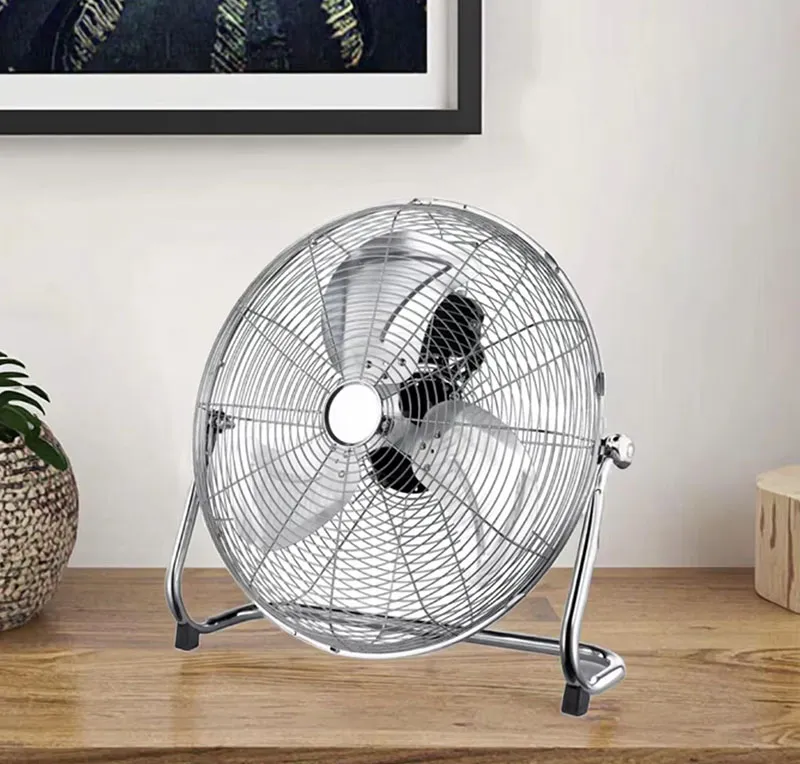
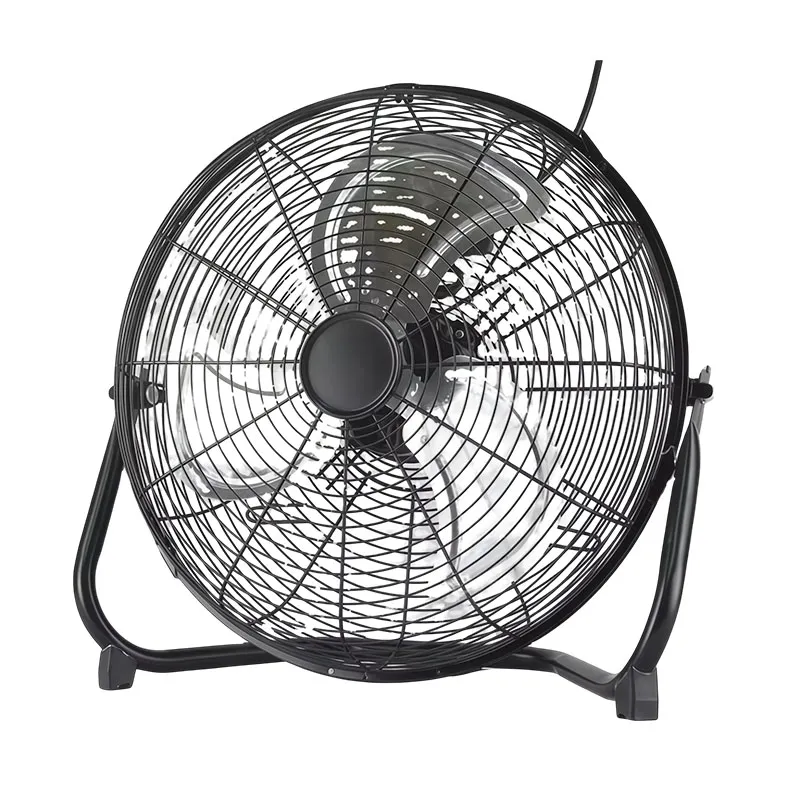
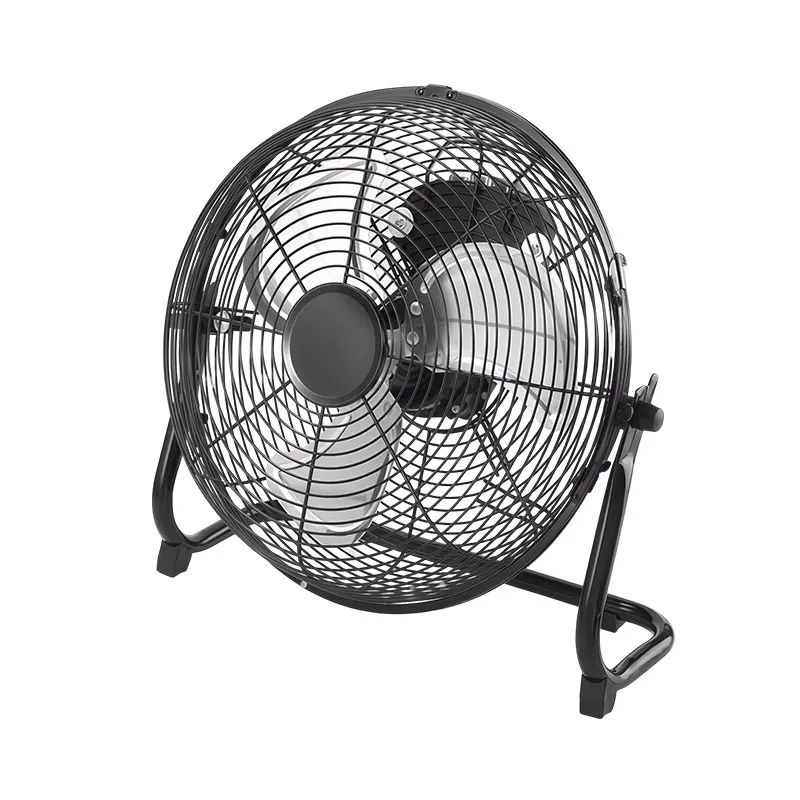
Hot Selling Electric High Velocity Fan
Join the thousands who've discovered industrial-grade reliability! Jiahe Industrial Company's Hot Selling Electric Mechanical High Velocity Fan features full metal construction for unmatched durability in demanding environments. The powerful high-velocity airflow reaches across large spaces, while mechanical controls ensure simple, dependable operation. Energy-efficient design saves on electricity. Perfect for workshops, warehouses, and factories. Jiahe Industrial has specialized in high-velocity fans for 30+ years. Need factory-direct industrial fans? Contact us today!
Send Inquiry
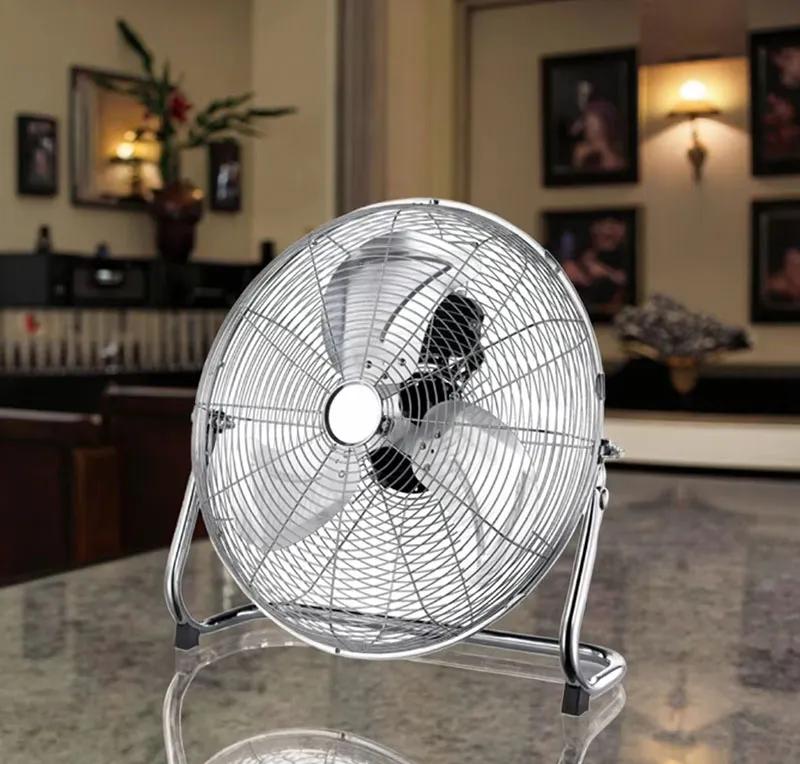
| Item | Parameter |
| Product Name | Hot Selling Electric High Velocity Fan |
| Blade Material | Metal |
| Motor Type | AC Motor |
| Function | High-Velocity Air Circulation, 3-Speed Mechanical Control, Energy Efficient, Industrial-Grade Cooling |
| Control Type | Mechanical Control |
| Speed Settings | 3 Adjustable Speeds |
| Noise Level | Low Noise Operation |
| Installation Type | Portable |
| Application | Industrial, Warehouse, Factory, Workshop, Manufacturing Facility, Distribution Center, Commercial Kitchen, Loading Dock, Gymnasium, Large Retail Space, Agricultural Facility, Garage, Commercial Use |
| Features | All-Metal Construction for Maximum Durability, Heavy-Gauge Metal Housing with Powder-Coated Finish, High-Velocity 3-Blade Design for Powerful Air Movement, Low Noise Operation (≤52 dB) for Quieter Environments, 3-Speed Mechanical Control for Reliable Operation, Energy-Efficient AC Motor for Lower Operating Costs, Extended Airflow Reach for Large Spaces, Corrosion-Resistant Finish for Harsh Environments, Thermal Overload Protection for Continuous Operation, Heavy-Duty Metal Base for Stability, Suitable for Demanding Industrial and Commercial Applications |
Production Details
Conventional high-velocity fans create a narrow, turbulent jet that dissipates quickly—impressive directly in front, useless twenty feet away. Jiahe Industrial's Hot Selling Electric High Velocity Fan achieves sustained air movement through advanced blade engineering. Our optimized blade geometry features variable pitch design—steeper at the hub where rotational speed is lower, shallower at the tip where speed is higher—creating uniform air velocity across the entire blade span. This eliminates the chaotic turbulence that wastes energy and dissipates airflow in conventional designs. The full metal construction maintains this precise geometry indefinitely, unlike plastic blades that deform over time, gradually losing aerodynamic efficiency. Independent airflow testing confirms: our fan delivers significantly greater effective range than comparable plastic competitors, maintaining useful velocity across large spaces where others fade. For warehouse managers needing air that reaches distant aisles, for facility supervisors covering vast floor areas, for manufacturing operations where ventilation must travel—this engineering delivers air movement that actually travels.
Latest News
-
 Foshan City Shunde District Jiahe Industrial Co., Ltd. has obtained multiple international certifications and is actively expanding into the global foreign trade market. 2026/06/23
Foshan City Shunde District Jiahe Industrial Co., Ltd., a professional manufacturer of electric fans and fan accessories with nearly 30 years of industry experience, recently announced that its full range of fan products has successfully obtained multiple authoritative international certifications, including CR, CB, ETL, and ISO9001:2015. Fully compliant with the EU RoHS directive, the company is now actively expanding its presence in the global export market.
-
 Foshan City Shunde District Jiahe Industrial Co., Ltd. has commenced mass production of several new quiet, energy-efficient fan models and secured large-volume overseas export orders. 2026/06/23
Foshan City Shunde District Jiahe Industrial Co., Ltd. has recently commenced mass production of several new quiet, energy-efficient fan models. Thanks to outstanding product performance and reliable supply capabilities, the company has secured large-volume orders from buyers across Europe, the Americas, and Southeast Asia, marking a new phase of growth for its export business.