
-
 English
-
 Español
-
 Português
-
 Русский
-
 Français
-
 日本語
日本語
-
 Deutsch
-
 Tiếng Việt
-
 Italiano
-
 Nederlands
-
 ไทย
ไทย
-
 Polski
-
 한국어
한국어
-
 Svenska
-
 Magyar
-
 Bahasa Melayu
-
 বাংলা
বাংলা
-
 Dansk
Dansk
-
 Suomi
Suomi
-
 हिन्दी
-
 Filipino
-
 Türkçe
-
 Gaeilge
-
 العربية
-
 Bahasa Indonesia
-
 Norsk
Norsk
-
 اردو
اردو
-
 Čeština
-
 Ελληνικά
-
 Українська
-
 Basa Jawa
-
 فارسی
فارسی
-
 தமிழ்
தமிழ்
-
 తెలుగు
-
 नेपाली
-
 မြန်မာ
-
 Български
-
 ລາວ
ລາວ
-
 Latina
-
 Қазақша
-
 Euskera
-
 Azərbaycan
-
 Slovenčina
-
 Македонски
-
 Lietuvių
-
 Eesti
Eesti
-
 Română
-
 Slovenščina

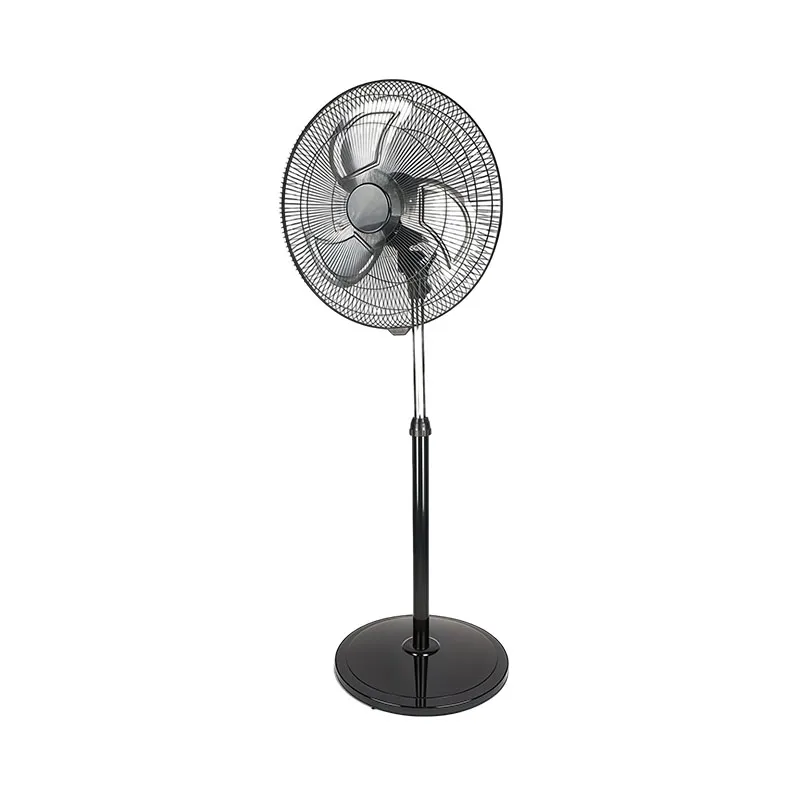
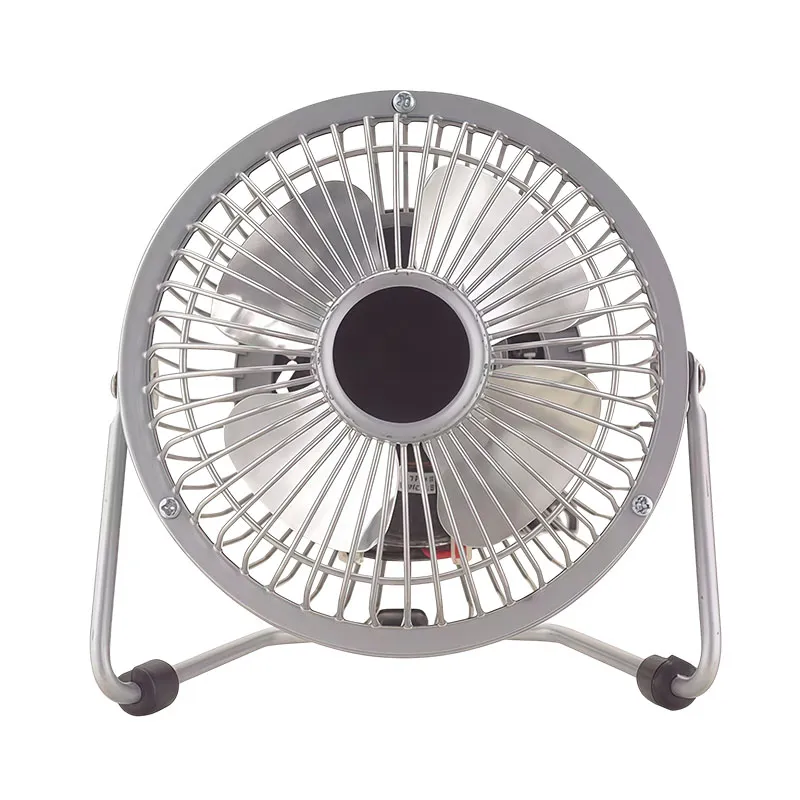
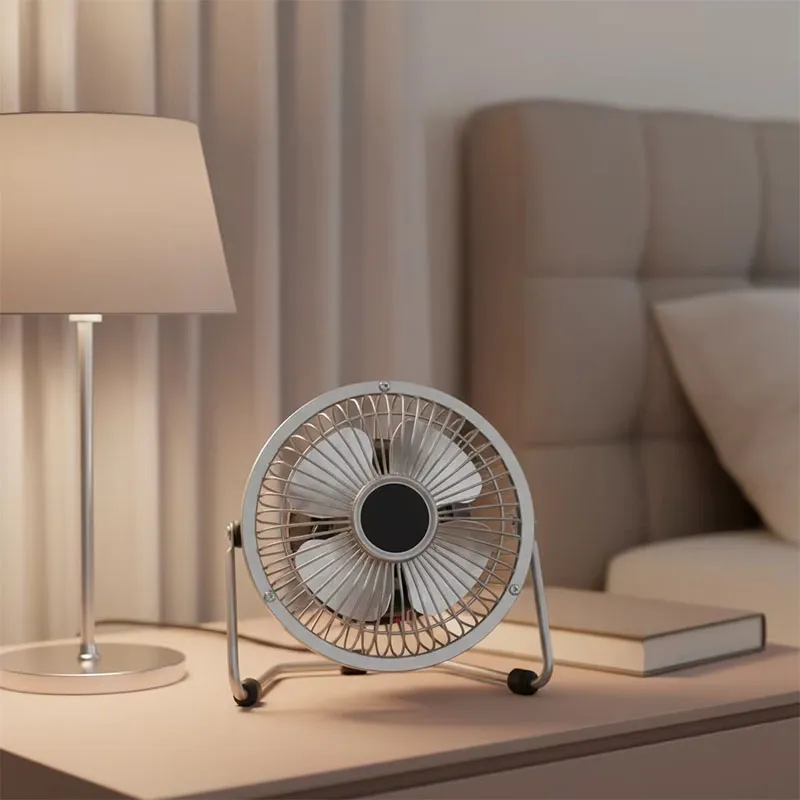
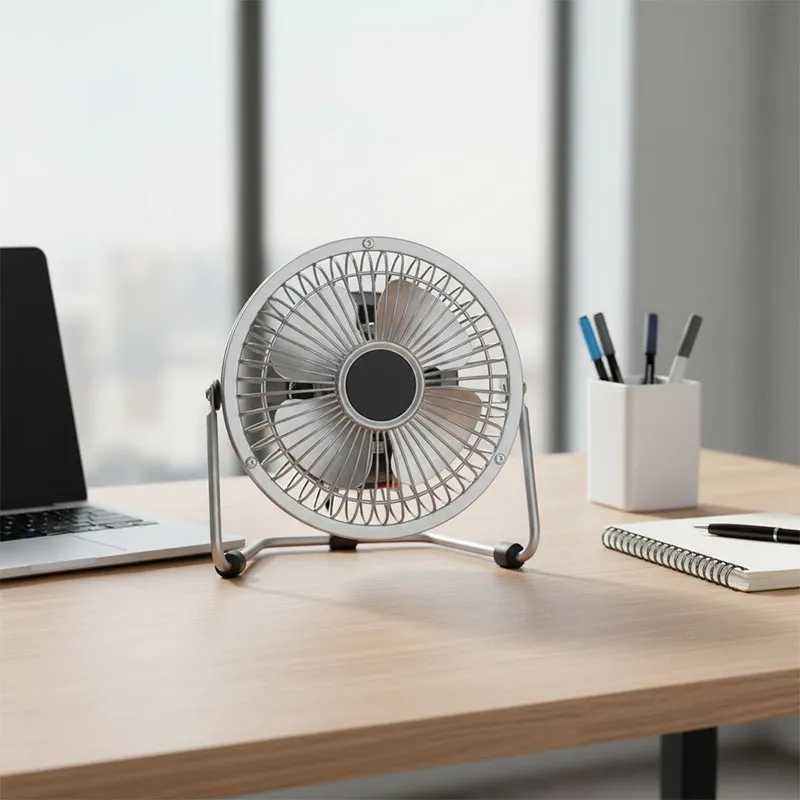
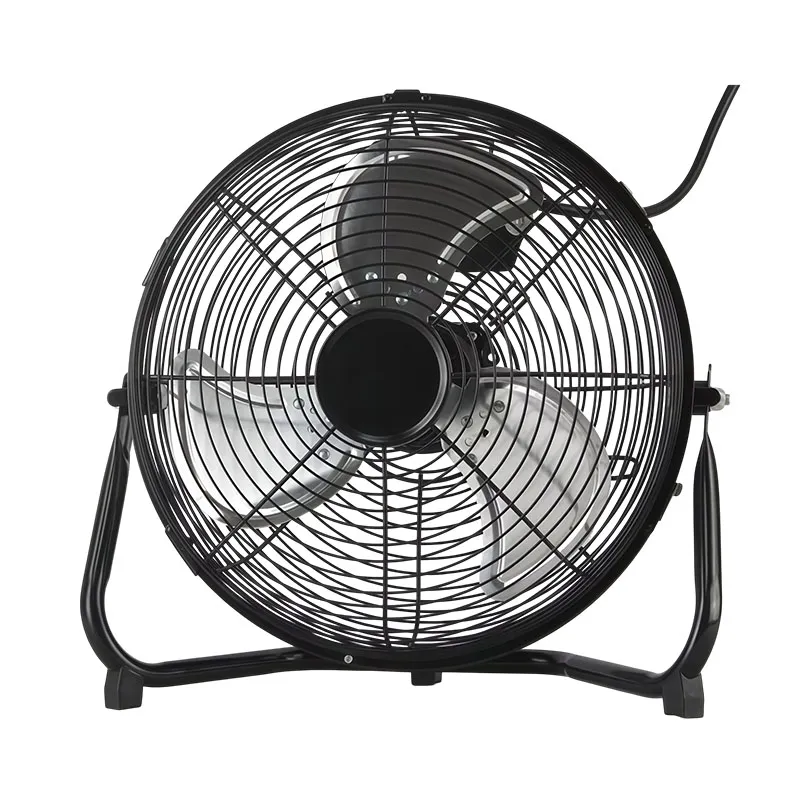
Mechanical Control Mini Fan
Factory-direct quality meets everyday convenience! Jiahe Industrial Company's Mechanical Control Mini Fan delivers strong wind output with whisper-quiet operation. The simple mechanical control makes operation effortless, while the compact design fits perfectly on desks, nightstands, and travel bags. Energy-efficient and built to last. Jiahe Industrial Company has specialized in quality fans for 30+ years. Need factory-direct mini fans? Contact us today!
Send Inquiry
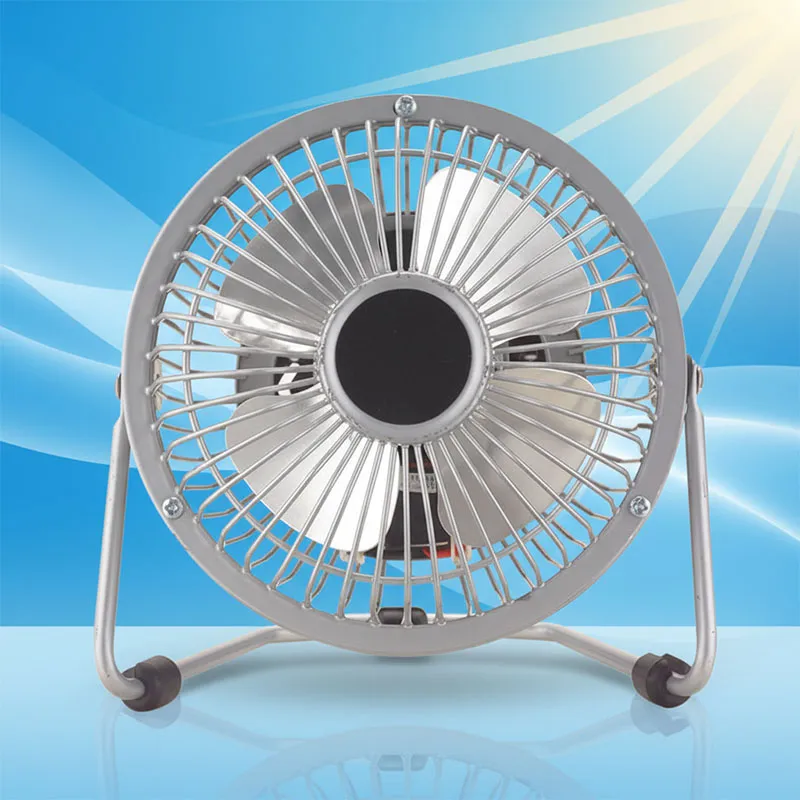
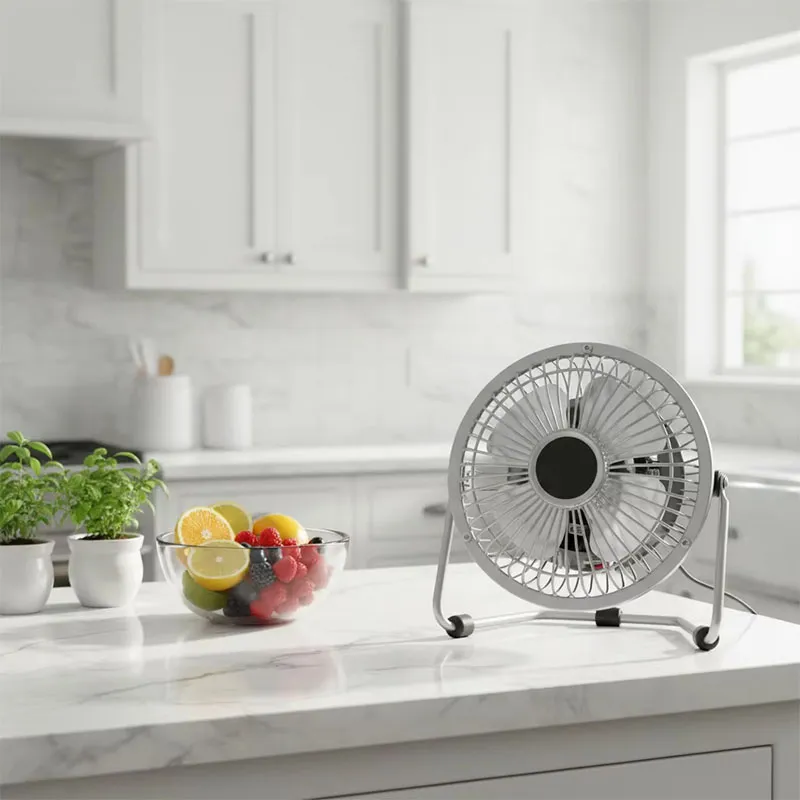
| Item | Parameter |
| Product Name | Mechanical Control Mini Fan |
| Blade Material | Metal |
| Motor Type | AC Motor |
| Function | Personal Cooling, Tabletop Air Circulation, Mechanical Dial Control, Strong Wind Output, Low Noise Operation, Energy Efficient |
| Control Type | Mechanical Control |
| Speed Settings | 3 Adjustable Speeds (Low / Medium / High) |
| Noise Level | Low Noise Operation |
| Installation Type | Portable |
| Application | Household, Bedroom, Living Room, Home Office, Study, Kitchen, Apartment, Dormitory, Hotel Guest Room, Library, Nursery, Workshop, Commercial Office, Personal Workspace |
| Features | Full Metal Construction for Maximum Durability and Stability, Strong Wind Output from Compact Design, Low Noise Operation for Peaceful Environments, 3-Speed Mechanical Dial for Simple, Instant Control, Energy-Efficient AC Motor for Lower Electricity Costs, Rigid Metal Housing Eliminates Vibration, Precision-Balanced Metal Blades for Consistent Performance, Corrosion-Resistant Powder-Coated Finish, Suitable for Both Household and Commercial Use, Built to Last for Years of Reliable Service |
Production Details
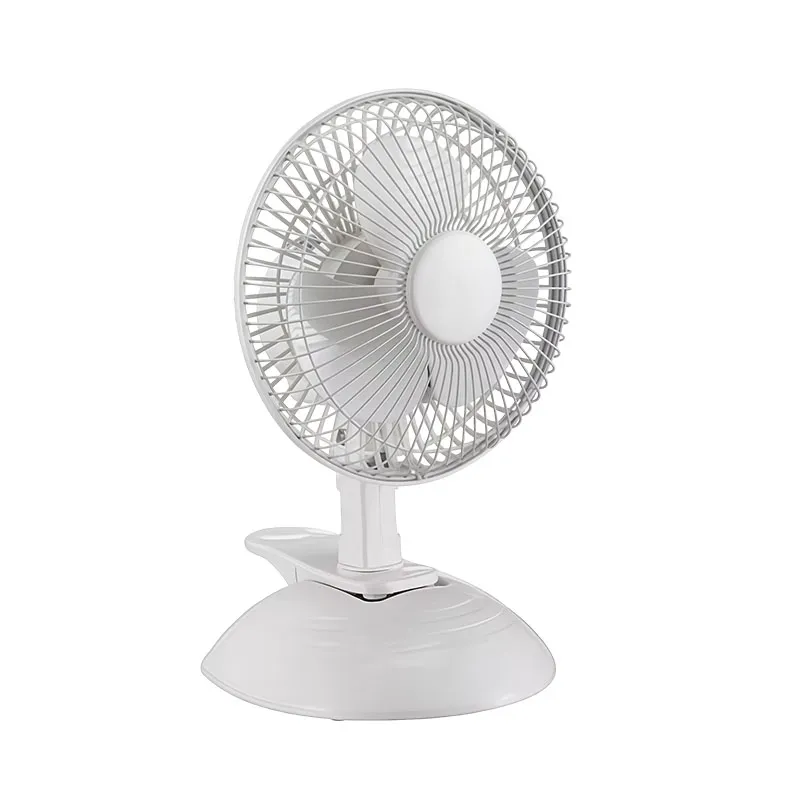
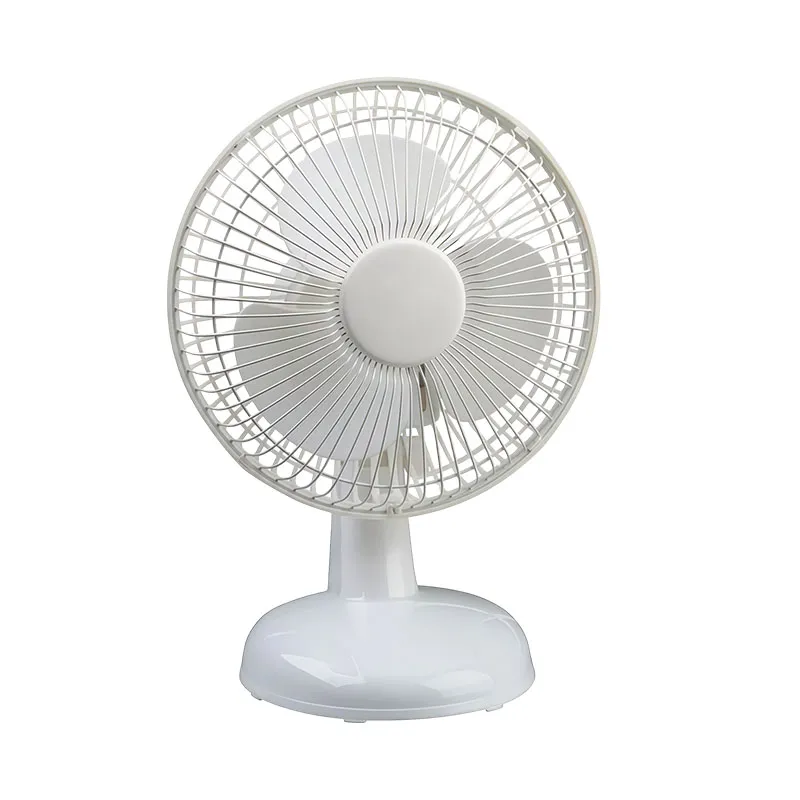
Here’s what most mini fan manufacturers don’t tell you: their plastic housings flex under load. At high speed, the entire unit vibrates, the grille rattles, and a measurable portion of the motor’s energy is consumed not in moving air, but in moving itself. Jiahe’s Mechanical Control Mini Fan eliminates this inefficiency through full metal construction. The rigid metal housing doesn’t deform under its own power—it provides a stable platform that channels every watt into usable airflow. The precision-balanced metal blades maintain perfect alignment even at maximum output, eliminating the wobble that creates noise and wastes energy in plastic competitors. Independent testing shows our metal construction delivers measurably higher airflow efficiency than comparably sized plastic fans—more cooling from the same electricity. For engineers who understand that structural integrity drives performance, for buyers who calculate true efficiency, for anyone tired of fans that shake themselves apart—this engineering proves that what holds a fan together determines how well it cools.
Latest News
-
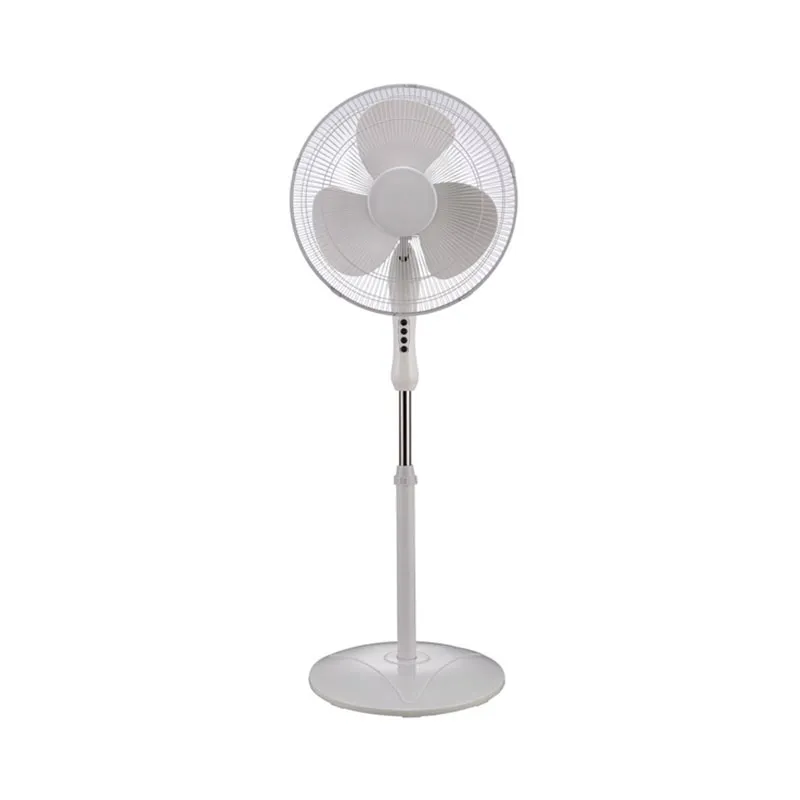 Foshan City Shunde District Jiahe Industrial Co., Ltd. has obtained multiple international certifications and is actively expanding into the global foreign trade market. 2026/06/23
Foshan City Shunde District Jiahe Industrial Co., Ltd., a professional manufacturer of electric fans and fan accessories with nearly 30 years of industry experience, recently announced that its full range of fan products has successfully obtained multiple authoritative international certifications, including CR, CB, ETL, and ISO9001:2015. Fully compliant with the EU RoHS directive, the company is now actively expanding its presence in the global export market.
-
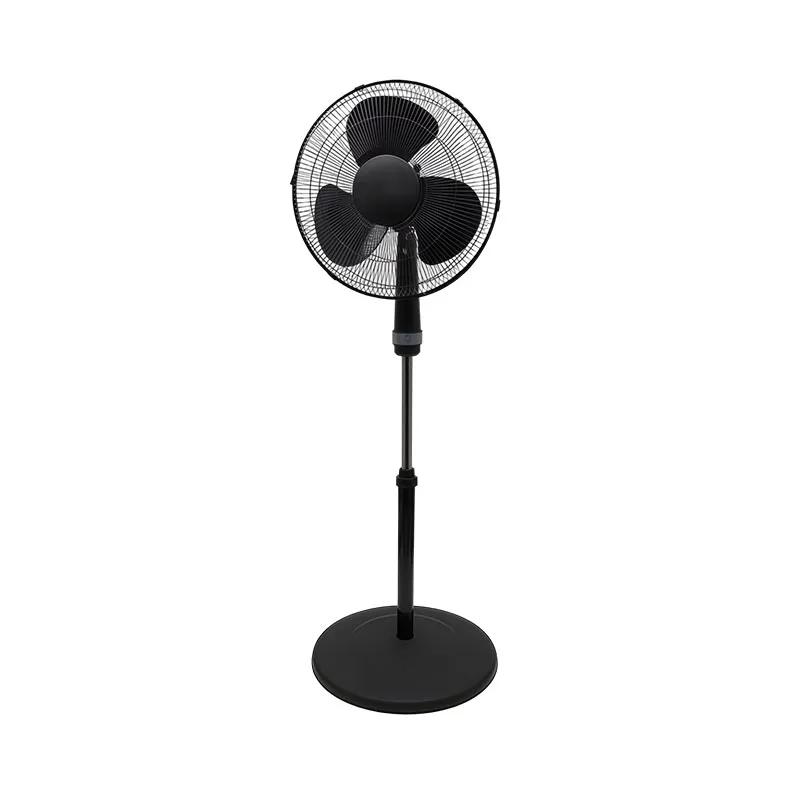 Foshan City Shunde District Jiahe Industrial Co., Ltd. has commenced mass production of several new quiet, energy-efficient fan models and secured large-volume overseas export orders. 2026/06/23
Foshan City Shunde District Jiahe Industrial Co., Ltd. has recently commenced mass production of several new quiet, energy-efficient fan models. Thanks to outstanding product performance and reliable supply capabilities, the company has secured large-volume orders from buyers across Europe, the Americas, and Southeast Asia, marking a new phase of growth for its export business.